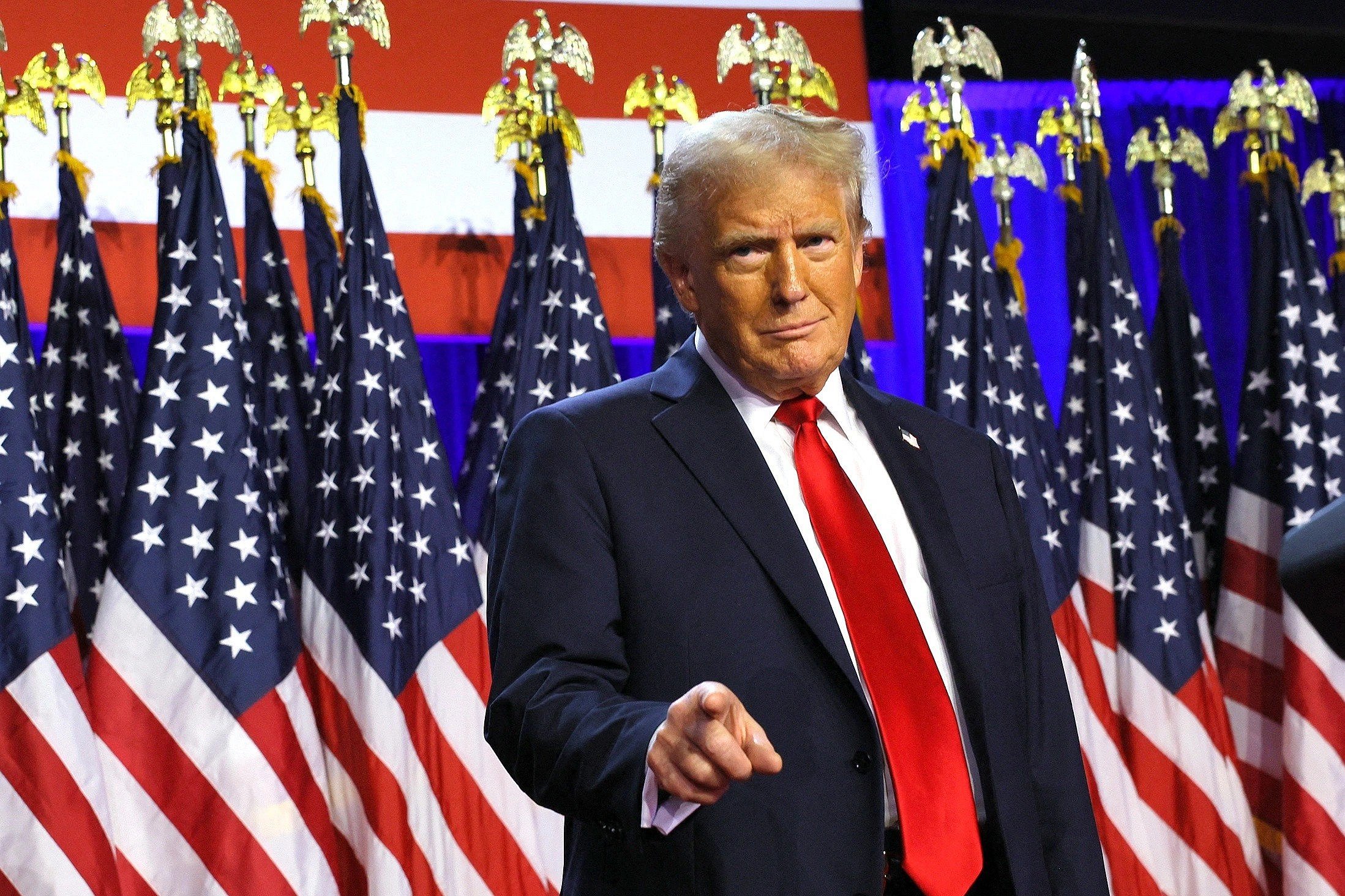

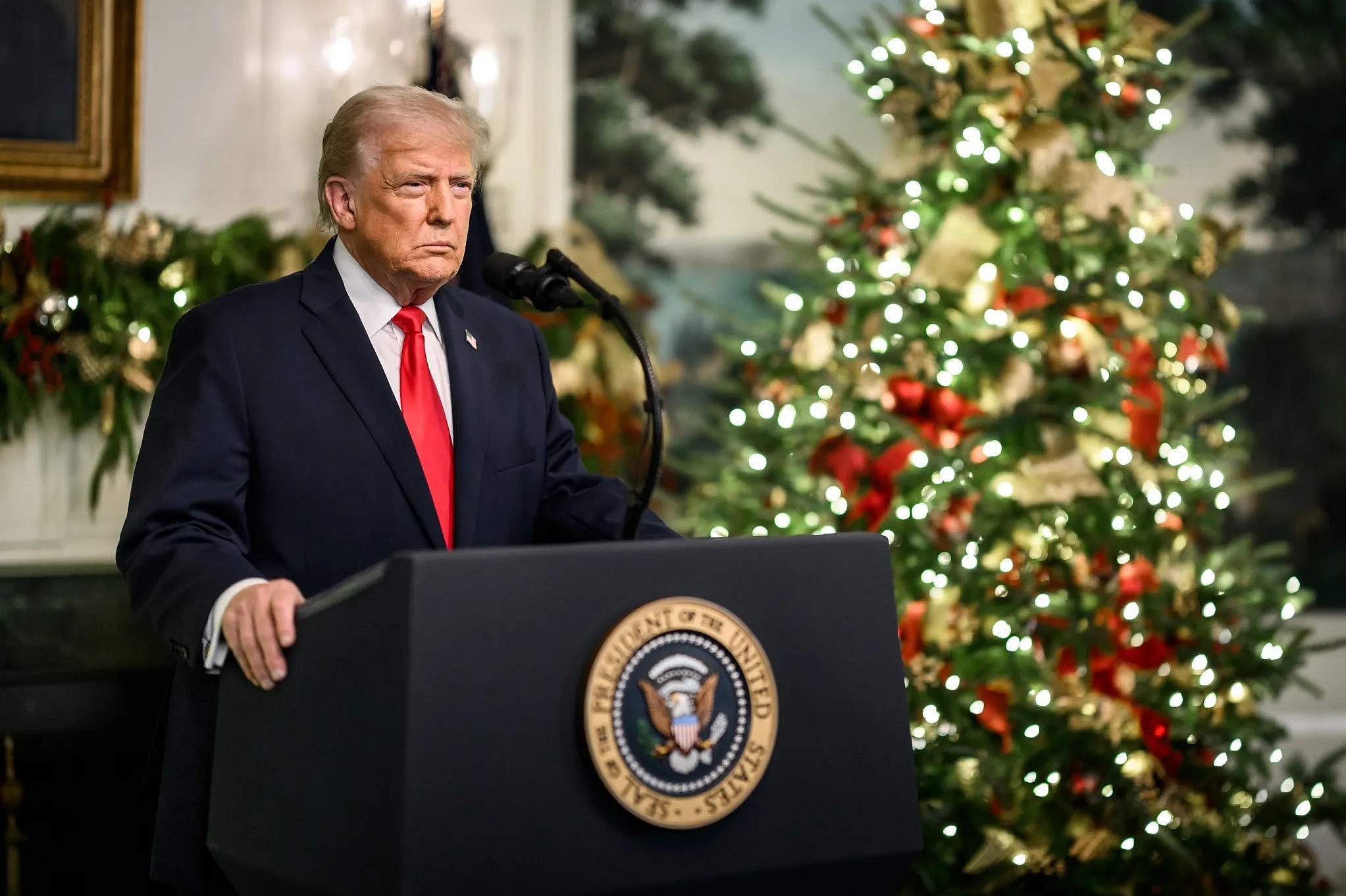
On December 17, surrounded by festive holiday decorations, US president Donald Trump delivered an upbeat — one might even say manic — address to the nation, preempting — and enraging fans of — network TV shows such as Survivor, The Floor, and Christmas in Nashville.
The United States finds itself at a moment when the gap between power and prudence has rarely been more visible.
Last week, Sen. Charles Schumer, the leader of the Democrats in the United States Senate, introduced a resolution on behalf of himself and 40 other Senate Democrats that, if passed, would record the sense of the Senate as condemning the media superstar Tucker Carlson because of the political, historical and cultural opinions of a guest on Carlson’s podcast.
If there is going to be peace, why are we witnessing the largest military buildup in Europe since the end of the Cold War?
Ukraine’s dream of NATO membership is dead. It died, surprisingly, not on the battlefields of Ukraine nor at the negotiating table with Russia.
As we learn more about the events on Sept. 2, 2025, in international waters 1,500 miles from the United States, the behavior of the United States military becomes more legally troubling than at first blush.
While industrialisation remains a top priority for Global South countries, debt-driven austerity, corporate dominance, wars and sanctions keep many poorer nations locked into dependency and underdevelopment.
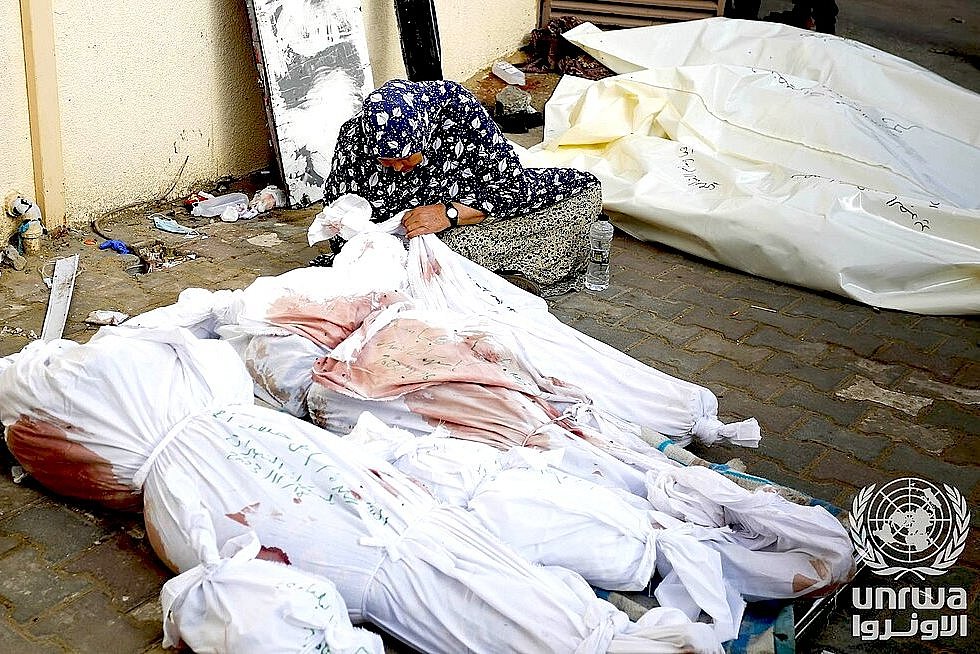
I take the 15 victims at Bondi Beach and divide them by the 71,000 deaths in Gaza as of this writing. I get a fraction of 0.0002143.
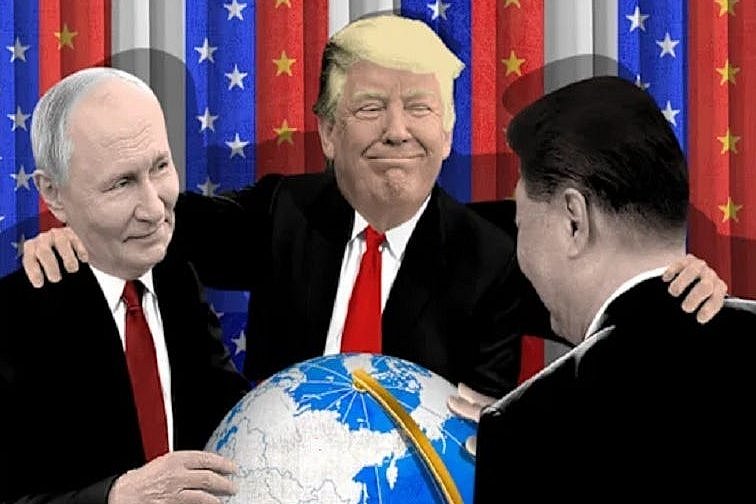
China would no longer occupy the central role therein, which would help the US and its Asian allies better compete with it, while Russia would move from the periphery of the existing architecture towards its core due to the importance of its strategic resources in this new paradigm.
The president’s latest National Security Strategy memorandum treats the freedom to coerce others as the essence of US sovereignty. It is an ominous document that will – if allowed to stand – come back to haunt the United States.
In October of 2002, I shocked many in my Congressional District and beyond by voting against giving President George W. Bush authorization to use military force in Iraq.
Speakers from four affected countries — Cuba, Nicaragua, Palestine and Venezuela — describe the deadly toll of blockades and sanctions, particularly on children under 5.
While other powers are presumed to have legitimate security interests that must be balanced and accommodated, Russia’s interests are presumed illegitimate. Russophobia functions less as a sentiment than as a systemic distortion — one that repeatedly undermines Europe’s own security.
Israel’s extensive and blatant flouting of international agreements and law presage a world where the law is whatever the most militarily advanced countries say it is.
Nuclear-powered submarines and critical-mineral investments under AUKUS tie Australia ever closer to U.S. conflict with China, writes Julia Norman.
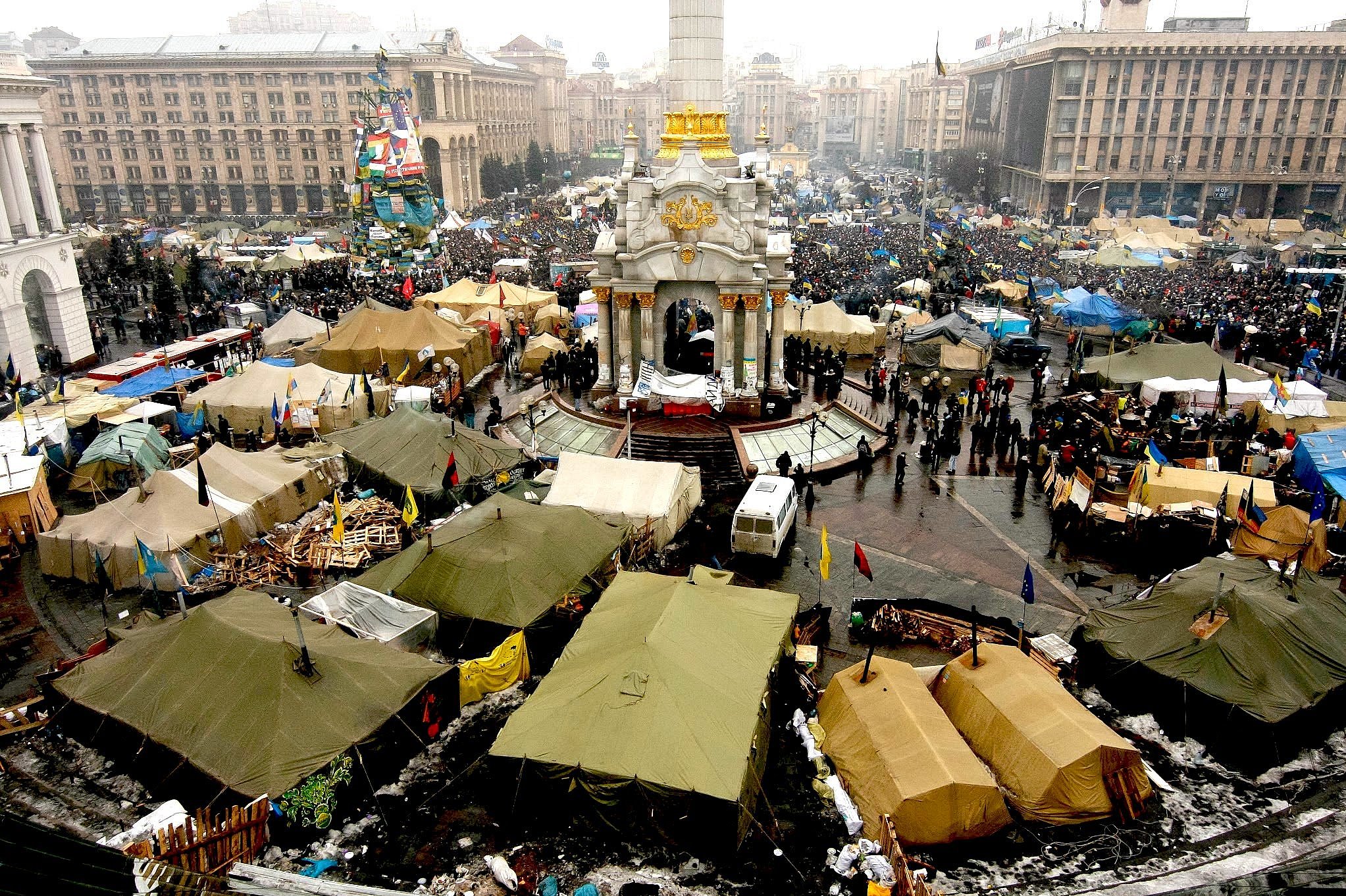
A revealing conversation with Grok, X’s AI, about the events in Ukraine in 2014.
The U.S. secretary of state has consistently undercut Trump’s professed goals of diplomacy, negotiated settlements and “America First” priorities, write Medea Benjamin and Nicolas J. S. Davies.
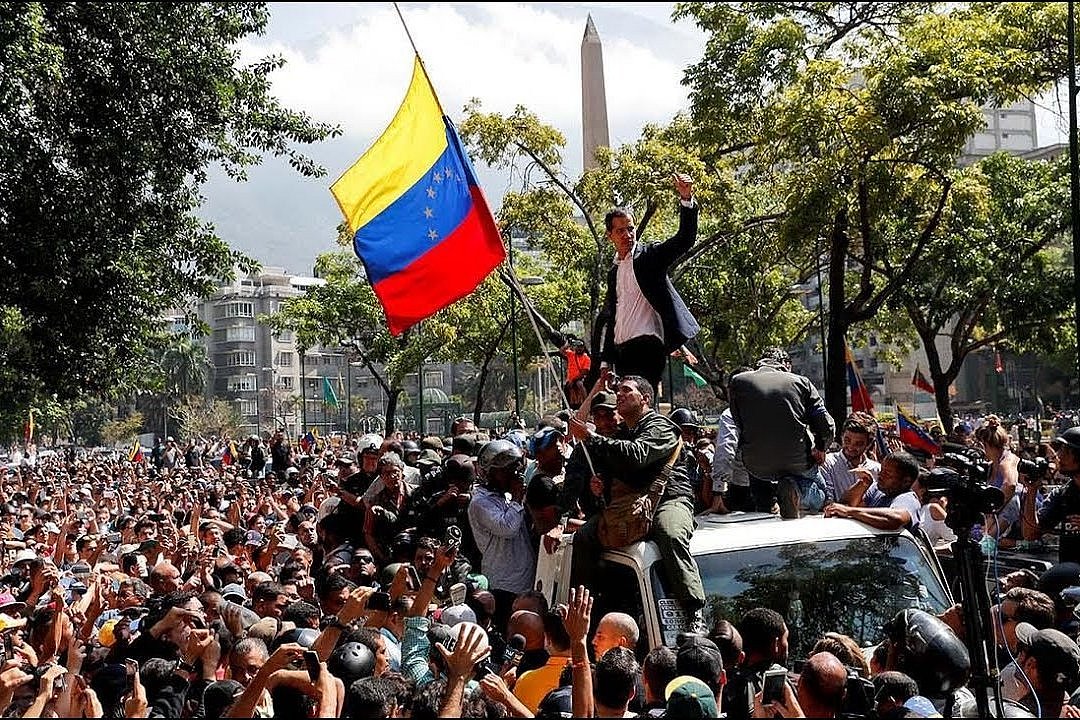
There was a time, not long ago, when the U.S. had the social etiquette to conduct its coups clandestinely.
Favourites
Sections
Info